
Early Orthodontic Treatment
Guiding Growth At The Right Time
At Hidden Smiles Orthodontic Studio, early orthodontics (Phase 1 treatment) is about guiding what is ready to be guided. While not every child will need early orthodontic treatment, some smiles need space before they need straightening. Confidence begins with a strong foundation, and that’s when early orthodontics can help support a better smile.
What Is Early Orthodontic Treatment?
Early orthodontic treatment focuses on improving jaw development, creating space for incoming teeth, and addressing concerns that are easier to correct while a child is still growing. Dr. Parikh, along with the American Association of Orthodontists, recommends an orthodontic evaluation around age 7 because this is when important growth patterns begin to reveal themselves. These are patterns that an orthodontist such as Dr. Parikh can uniquely identify.
What Early Orthodontic Treatment Can Help With
Early orthodontic treatment often focuses on guiding upper jaw development while allowing the lower jaw to continue growing naturally. It does not mean every child gets braces early or starts treatment when they are 7. Instead, it means identifying problems early and creating the right environment for healthy development. By addressing certain concerns early, we can often reduce the need for more complex treatment later.
Early orthodontic treatment may help:
Phase 1 Versus Phase 2 Treatment
Orthodontic care often happens in two stages. Phase 1 (early orthodontic treatment) occurs between ages 7–10 when growth can be guided. The goals of early treatment are to improve jaw development, create space for permanent teeth, correct early bite concerns and support proper facial growth.
Phase 2 treatment begins during adolescence when most permanent teeth are present. The goals of this phase of orthodontic treatment are to straighten the teeth and fine-tune the bite so that it is aesthetically perfect.
FAQs About Early Orthodontics
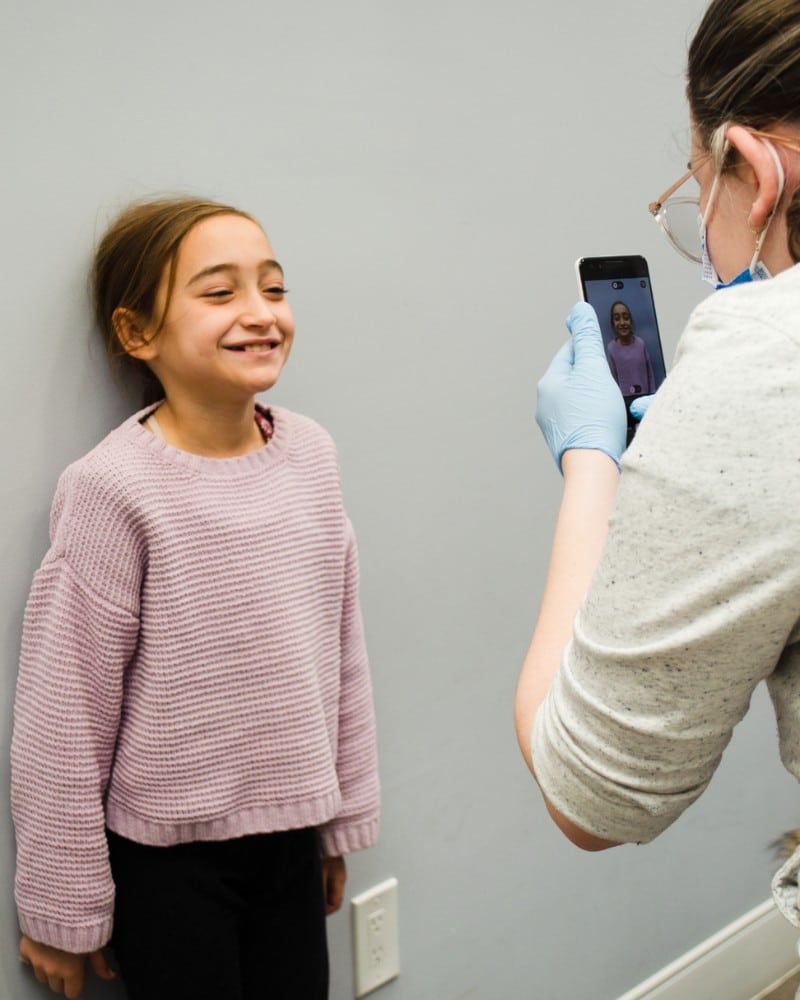
Wondering if your child needs early orthodontic treatment? It can’t hurt to bring them in, especially if you or your child’s medical provider have noticed any potential problems. Learn more about when and why your child may benefit from Phase 1 treatment below.
Schedule Your Child’s Orthodontic Evaluation
An early orthodontic evaluation provides clarity and peace of mind. Our goal is to help your child grow into a healthy and confident smile that may mean starting treatment now or keeping an eye on it to intervene in the future. Schedule your child’s consultation today for individualized orthodontic care that grows with your child and supports long-term oral health and boundless confidence.