 Orthodontic issues like misaligned teeth, overcrowding and bite problems can have a significant impact on oral health and overall well-being. While environmental factors such as childhood habits and oral hygiene practices play a role in the development of orthodontic problems, genetics also play a crucial role. At Hidden Smiles Orthodontic Studio, we recognize the importance of understanding the genetic factors that contribute to orthodontic issues. In this blog post, we’ll explore the role of genetics in orthodontic problems and how this knowledge can inform treatment decisions for our patients in Huntington, Huntington Station, South Huntington, Syosset and Elwood, NY.
The Influence of Genetics on Orthodontic Problems
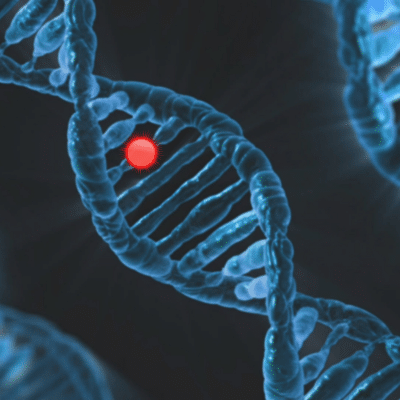
Genetics can influence various aspects of craniofacial development, including the size and shape of the jaw, the position of the teeth, and the alignment of the bite. Certain genetic variations can result in jaw discrepancies, such as a narrow palate or a disproportionate jaw size, which can contribute to orthodontic issues like overcrowding and malocclusions. Additionally, genetic factors can affect tooth size, tooth eruption patterns and the development of dental arches, all of which can impact the alignment of the teeth.
Understanding Hereditary Factors
Orthodontic problems often run in families, indicating a strong hereditary component. If one or both parents have had orthodontic treatment or experienced similar dental issues, their children are more likely to inherit these traits. However, it’s important to note that genetics is just one piece of the puzzle, and environmental factors also play a significant role in the development of orthodontic problems. For example, childhood habits like thumb-sucking or mouth breathing can exacerbate genetic predispositions to certain orthodontic issues.
Identifying Genetic Risk Factors
During the initial orthodontic evaluation, Dr. Parikh will assess various factors to determine the underlying causes of orthodontic problems. This includes evaluating the patient’s family history, dental records and craniofacial anatomy to identify any genetic risk factors that may contribute to their orthodontic issues. By understanding the genetic predispositions present in each patient, we can develop personalized treatment plans tailored to their unique needs and genetic profile.
Treatment Approaches for Genetic Orthodontic Problems
While genetics plays a significant role in the development of orthodontic problems, it doesn’t mean that these issues are inevitable or cannot be treated. Orthodontic treatment aims to correct malocclusions, align the teeth, and improve overall oral function and aesthetics. Depending on the nature and severity of the orthodontic issues, treatment approaches may include:
- Braces: Traditional braces are highly effective for correcting a wide range of orthodontic problems, including misaligned teeth, overcrowding and bite issues. With regular adjustments, braces gradually move the teeth into their proper positions, resulting in a straighter smile and improved oral health. We offer Hidden Braces, LightForce Clear Braces and Metal Braces.
- Clear Aligners: Clear aligners, such as Invisalign®, offer a discreet and convenient alternative to traditional braces for patients who prefer a more aesthetic treatment option. These custom-made aligners gently shift the teeth into alignment using controlled pressure, providing effective results without the visibility of metal braces.
- Surgical Orthodontics: In some cases of severe malocclusions or skeletal discrepancies, surgical orthodontics may be necessary to achieve optimal results. This comprehensive approach combines orthodontic treatment with corrective jaw surgery to address underlying skeletal issues and achieve facial balance and harmony.
Request Your Complimentary Consultation
Genetics play a significant role in the development of orthodontic problems, influencing various aspects of craniofacial development and dental anatomy. By understanding the genetic factors that contribute to orthodontic issues, orthodontists can develop personalized treatment plans tailored to each patient’s unique needs and genetic profile. At Hidden Smiles Orthodontic Studio in Huntington, NY, we are committed to providing comprehensive orthodontic care that addresses the underlying causes of orthodontic problems and helps patients achieve healthy, beautiful smiles that last a lifetime. If you or your child are experiencing orthodontic issues, contact us today to request a complimentary consultation and take the first step towards a confident smile!