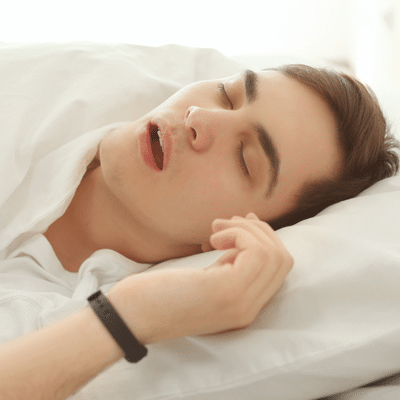
 Sleep apnea is a serious sleep disorder that affects millions of people, often leading to interrupted sleep, fatigue and even long-term health complications. While many people associate sleep apnea with lifestyle factors or genetics, fewer realize that orthodontics and sleep apnea are closely connected. At Hidden Smiles Orthodontic Studio in Melville, NY, we understand the vital relationship between orthodontics and sleep apnea and are committed to helping our patients achieve better oral health and improved sleep quality.
What Is Sleep Apnea?
Sleep apnea is a condition that causes frequent pauses in breathing while sleeping, disrupting normal airflow and rest. The most common type, obstructive sleep apnea (OSA), occurs when the muscles in the throat relax excessively, causing the airway to collapse. This leads to snoring, gasping for air and frequent awakenings throughout the night. If left untreated, sleep apnea can increase the risk of high blood pressure, heart disease, stroke and daytime fatigue. Orthodontics and sleep apnea are linked because improper jaw alignment can contribute to airway obstruction.
How Orthodontics Influences Sleep Apnea
Orthodontic treatment focuses on aligning the teeth and jaw, which can have a significant impact on the airway. When teeth and jaws are misaligned, they can contribute to airway obstruction, making it more difficult for individuals to breathe freely during sleep. Orthodontics and sleep apnea treatment can work together to address these issues and improve overall breathing. Here are a few ways orthodontic treatments can help:
Expanding the Upper Jaw
A narrow upper jaw can restrict airflow and contribute to sleep apnea symptoms. Palatal expanders, often used in children and teens, widen the upper jaw to create more space in the oral cavity. This expansion can improve nasal breathing and reduce airway obstruction, highlighting the connection between orthodontics and sleep apnea.
Correcting Jaw Misalignment
Individuals with an overbite, underbite, or other jaw misalignments may experience airway constriction. Orthodontic appliances such as braces, clear aligners, or even specialized jaw-positioning devices can reposition the jaw, opening the airway and allowing for improved airflow during sleep. Orthodontics and sleep apnea treatments often include these corrective measures.
Addressing Tongue Posture and Space
A small or improperly positioned jaw can limit tongue space, causing the tongue to fall backward and block the airway during sleep. Orthodontic treatments like mandibular advancement devices (MADs) or braces can reposition the lower jaw, allowing more space for the tongue and reducing the risk of airway obstruction. Orthodontics and sleep apnea interventions can help prevent this issue.
Reducing Snoring and Mouth Breathing
Misaligned teeth and jaw issues can lead to chronic mouth breathing, which dries out the throat and exacerbates snoring. Orthodontic treatments can help align the bite, encouraging nasal breathing, which is healthier and reduces sleep apnea symptoms. This is another reason why understanding orthodontics and sleep apnea is essential for improving sleep quality.
Orthodontic Treatments for Sleep Apnea
For patients who suffer from sleep apnea or are at risk, orthodontic interventions can be an effective solution. Some treatments include:
- Mandibular Advancement Devices (MADs): These oral appliances reposition the lower jaw and tongue to keep the airway open during sleep. Orthodontics and sleep apnea solutions often include these devices.
- Braces and Aligners: By correcting misalignment, braces and aligners can help improve jaw positioning and reduce airway restrictions, showing the impact of orthodontics and sleep apnea treatments.
- Palatal Expanders: Especially beneficial for children, these devices widen the upper jaw and improve airflow, reinforcing the link between orthodontics and sleep apnea.
- Surgical Orthodontics: In severe cases, surgical intervention may be necessary to correct significant jaw misalignment. Many patients seek this as a long-term orthodontics and sleep apnea solution.
Who Can Benefit from Orthodontic Treatment for Sleep Apnea?
Patients of all ages can experience improvements in their sleep quality through orthodontic treatment. Children with narrow jaws, adults with misaligned bites and individuals who suffer from habitual snoring may all benefit from a consultation with an orthodontist. If you or a loved one struggles with sleep apnea symptoms, an orthodontic evaluation may be a critical step toward finding relief. Orthodontics and sleep apnea solutions are available for both children and adults.
A Holistic Approach to Sleep Apnea Treatment
At Hidden Smiles Orthodontic Studio in Melville, NY, we take a comprehensive approach to orthodontic care. We work closely with sleep specialists, ENT doctors and other healthcare providers to ensure our patients receive the best possible treatment for their sleep-related issues. Our goal is to not only create beautiful smiles but also to improve overall health and well-being through proper orthodontic alignment. Orthodontics and sleep apnea care go hand in hand when it comes to addressing airway concerns.
Request Your Complimentary Consultation in Melville, NY Today
The connection between orthodontics and sleep apnea is clear: proper alignment of the teeth and jaw can significantly impact breathing and sleep quality. If you suspect that a misaligned bite or jaw structure may be contributing to your sleep apnea symptoms, don’t hesitate to seek professional guidance. At Hidden Smiles Orthodontic Studio, we’re here to help you achieve a healthier smile—and a better night’s sleep.
Request a complimentary consultation with Dr. Mita Parikh today to learn how orthodontics and sleep apnea treatments can improve your sleep and overall well-being.