 At Hidden Smiles Orthodontic Studio in Melville, NY, one of the most common questions we hear from both parents and adult patients is: “When should I—or my child—get braces?” It’s a great question, and the answer depends on a variety of factors including age, dental development, bite issues and personal goals. Understanding when to get braces is essential for achieving a healthy, confident smile and preventing long-term oral health problems.
Whether you’re considering orthodontic treatment for yourself or your child, this guide will walk you through the signs and situations that indicate when to get braces.
The Importance of Early Evaluation
The American Association of Orthodontists recommends that children receive their first orthodontic evaluation by age 7. Why so early? Because even though a child may still have baby teeth, an orthodontist can detect potential issues in jaw development, spacing, or bite alignment that may benefit from early intervention.
An early exam doesn’t necessarily mean your child will need braces right away—but it allows us to track development and better plan when to get braces if needed in the future.
Crowded or Misaligned Teeth
One of the most common and visible signs of orthodontic issues is crowded, crooked, or overlapping teeth. These issues can affect everything from oral hygiene (because crowded teeth are harder to clean) to long-term dental health and confidence.
If your child’s adult teeth are coming in without enough room, or if you notice your own teeth shifting as an adult, it’s a good time to evaluate when to get braces.
Bite Problems
Bite problems—also called malocclusions—include overbites, underbites, crossbites and open bites. These may cause difficulty with chewing, jaw discomfort, or even speech problems.
Correcting bite alignment early not only improves appearance but also prevents excessive wear on your teeth and strain on your jaw joints. Noticing one of these problems is a major indicator of when to get braces.
Difficulty Chewing or Speaking
Orthodontic issues can interfere with basic functions like eating and speaking. If your child has trouble biting into or chewing food, or if you notice a lisp or unclear speech that may be related to tooth placement, that’s a red flag.
These symptoms are often overlooked but can be strong clues pointing to when to get braces to correct underlying alignment issues.
Early or Late Loss of Baby Teeth
The timing of losing baby teeth can impact how and when adult teeth erupt. Losing baby teeth too early can cause adjacent teeth to shift and block spaces. On the flip side, holding onto baby teeth for too long can prevent permanent teeth from coming in properly.
An orthodontist can help assess whether the timing of baby teeth loss is impacting your child’s dental development—and help determine when to get braces to guide their smile into alignment.
Jaw Pain or Clicking Sounds
If you or your child experience frequent jaw pain, headaches, or clicking and popping sounds in the jaw, it could be due to improper alignment. These symptoms may be related to TMJ disorders, which are often tied to bite problems.
Braces or other orthodontic appliances can help alleviate pressure on the jaw joints, making this another signal of when to get braces for both comfort and function.
Self-Esteem or Confidence Issues
Let’s not overlook one of the most common reasons people seek orthodontic care—confidence. Crooked or crowded teeth can make people self-conscious, especially during school years or in professional settings. Adults often come to us after years of hiding their smiles in photos or at social events.
If you or your child feels embarrassed about smiling, that’s a valid and empowering reason to consider when to get braces.
It’s Not Just for Kids
It’s a myth that braces are only for teenagers. More adults are now turning to orthodontic treatment as a way to improve their oral health and confidence. Whether you had braces as a child and your teeth have shifted, or you’re getting treatment for the first time, it’s never too late.
Modern options like clear aligners or ceramic braces offer discreet and convenient choices. So, if you’ve been wondering when to get braces, the answer might be: now.
What to Expect at Hidden Smiles Orthodontic Studio
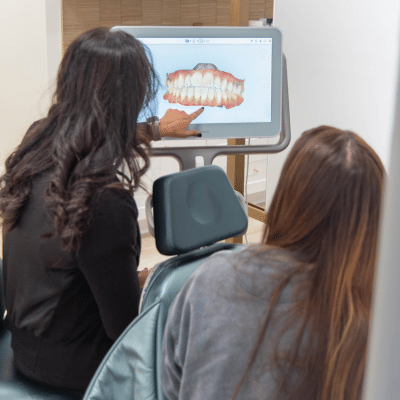
If you’re not sure when to get braces, scheduling a consultation is the best first step. At Hidden Smiles Orthodontic Studio in Melville, NY, we provide comprehensive evaluations that include:
- A complete exam of your teeth and jaw alignment
- Digital X-rays and imaging (as needed)
- Discussion of goals and concerns
- A personalized treatment plan that fits your needs and lifestyle
Our experienced team is here to guide you through the process, whether you’re seeking care for yourself or your child.
Final Thoughts
Deciding when to get braces doesn’t have to be stressful. By watching for key indicators like crowding, bite issues, speech difficulties, or confidence concerns, you’ll be better prepared to take the next step. Early diagnosis can make treatment faster and more effective, but braces at any age can dramatically improve your smile—and your quality of life.
Request Your Complimentary Consultation in Melville, NY Today
Ready to find out when to get braces? request your complimentary consultation with Dr. Mita Parikh today and let’s start the journey to a healthier, more confident smile. We’re excited to meet you! Your first consultation is complimentary—it’s our way of welcoming you to Hidden Smiles. This one-time visit gives you the chance to meet our team, explore your treatment options, and ask any questions you may have. (Please note: additional consultations beyond the initial visit may incur a fee.)