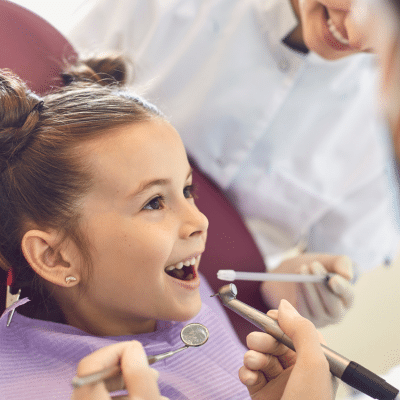
 As a parent, you want the best for your child, including a healthy and beautiful smile. While many people associate braces with the teenage years, orthodontic care can start much earlier. The American Association of Orthodontists (AAO) recommends that children have their first orthodontic evaluation around age seven. At Hidden Smiles Orthodontic Studio in Melville, NY, Dr. Mita Parikh is dedicated to helping young patients get a head start on a lifetime of healthy smiles through early orthodontic treatment.
What Is Early Orthodontic Treatment?
Early orthodontic treatment, also known as Phase 1 treatment, is an approach that helps guide the growth of the jaw and create space for emerging permanent teeth. This phase of treatment typically occurs between the ages of 7 and 10, while a child still has a mix of baby and permanent teeth. By addressing orthodontic concerns early, Dr. Parikh can help prevent more severe dental issues from developing as your child grows.
When Should Your Child Have an Orthodontic Consultation?
Parents often ask when their child should first visit an orthodontist. The answer? By age seven. This is the ideal time because:
- The first permanent molars and incisors have started to come in, allowing Dr. Parikh to detect potential issues.
- Early orthodontic treatment can help guide jaw growth and reduce the need for future extractions or surgery.
- Addressing problems early can lead to a more comfortable and effective treatment process in the future.
Even if no immediate treatment is needed, an early orthodontic treatment consultation provides peace of mind and helps parents and orthodontists monitor a child’s dental development over time.
Signs Your Child May Need Early Orthodontic Treatment
Not all children will require early orthodontic treatment, but certain signs indicate that Phase 1 treatment might be beneficial. Some of these include:
- Crowded or overlapping teeth – If your child’s teeth appear crowded, early orthodontic treatment can create space for proper alignment.
- Early or late loss of baby teeth – Losing baby teeth too soon or too late can impact the way permanent teeth come in.
- Protruding front teeth – Teeth that stick out significantly can be prone to injury and may need early orthodontic treatment.
- Difficulty chewing or biting – If your child struggles to bite into food or experiences discomfort while eating, orthodontic issues may be the cause.
- Mouth breathing – Persistent mouth breathing can indicate an issue with jaw development.
- Jaw shifting or asymmetry – If your child’s jaw seems to shift when opening or closing their mouth, it could be a sign of misalignment.
- Thumb sucking or prolonged pacifier use – These habits can impact the development of teeth and jaw alignment.
- Speech difficulties – Some orthodontic issues can affect speech development.
Phase 1 vs. Phase 2 Treatment: What’s the Difference?
Orthodontic treatment is often divided into two phases to provide the best possible results:
- Phase 1 (Early Treatment): This phase takes place when a child still has a mix of baby and permanent teeth. The goal is to guide jaw growth, correct harmful oral habits and create space for incoming permanent teeth. Treatment may involve braces, expanders, or Invisalign® First.
- Phase 2 (Comprehensive Treatment): Once all permanent teeth have come in, usually in the teenage years, a second phase of treatment may be needed. This phase focuses on perfecting tooth alignment and bite correction using braces or Invisalign®.
Not every child will need Phase 1 treatment, but early orthodontic treatment evaluations help determine whether early intervention can benefit your child.
Treatment Options for Early Orthodontic Care
Dr. Parikh offers several treatment options to help children achieve healthy, well-aligned smiles:
- Braces: Traditional metal braces use brackets and wires to gently move teeth into place. They are highly effective for correcting crowding, spacing and bite issues.
- Invisalign® First: This clear aligner system is designed specifically for growing children. The aligners are virtually invisible, removable and comfortable, making them a great alternative to braces for certain cases.
- Palatal Expanders: If a child’s upper jaw is too narrow, an expander can widen it to create space for proper tooth alignment.
- Space Maintainers: If a baby tooth is lost too soon, a space maintainer can keep the area open for the permanent tooth to emerge correctly.
The Benefits of Early Orthodontic Treatment
Early orthodontic treatment can make a significant difference in your child’s oral health and self-confidence. Some of the benefits include:
- Reducing the risk of impacted teeth by ensuring there’s enough space for permanent teeth to come in properly.
- Correcting bite issues to prevent uneven wear on teeth and reduce the risk of jaw pain later in life.
- Preventing the need for extractions or surgery in the future by guiding jaw development at a young age.
- Improving speech development by addressing alignment issues that affect pronunciation.
- Boosting self-esteem by giving your child a confident, healthy smile.
Request Your Child’s Complimentary Consultation with Dr. Parikh Today!
At Hidden Smiles Orthodontic Studio in Melville, NY, we believe that early orthodontic treatment evaluations give children the best chance for a lifetime of beautiful, healthy smiles. Dr. Parikh carefully evaluates each child’s needs and only recommends treatment if it’s truly necessary. If your child is seven years old or older and hasn’t had an orthodontic consultation, now is the perfect time to schedule one!
To learn more about early orthodontic treatment, request a complimentary consultation with Dr. Mita Parikh today. A proactive approach to orthodontic care can set the foundation for a lifetime of confident, healthy smiles!